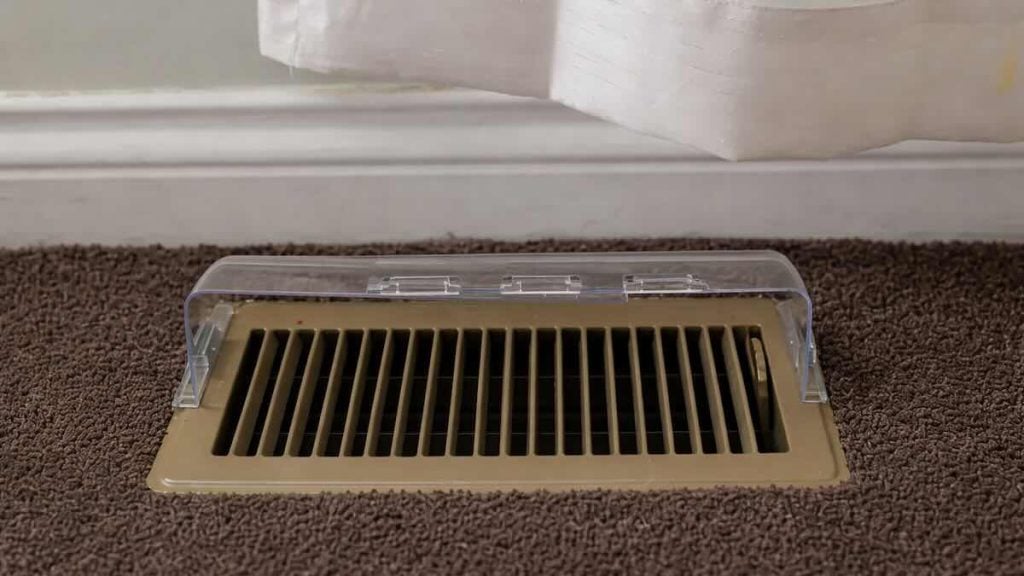
When winter hits, heating costs often rise fast—and homeowners naturally start looking for simple ways to cut their energy bills without sacrificing comfort. One common tactic is closing air vents in rooms that aren’t being used, with the idea that heating fewer spaces means lower costs.
Sounds logical, right? Unfortunately, with modern HVAC systems, this strategy can actually backfire.
Why Closing Vents Can Do More Harm Than Good
Many people assume that shutting vents reduces workload on the heating system. While that may have been true decades ago, today’s HVAC systems are engineered to heat the entire home evenly.
According to HVAC professionals, closing vents disrupts airflow inside your ductwork. Instead of producing less heat, your system continues to generate the same amount of warm air—but now it has fewer places to go.
This creates pressure inside the ducts, forcing the furnace to push harder just to circulate air. Over time, this extra strain can reduce efficiency and even increase the risk of mechanical problems.
One expert compares it to traffic congestion: when a road is blocked, cars don’t disappear—they pile up. The same thing happens with air inside your HVAC system.
When (and Only When) Closing Vents Makes Sense
The only situation where closing vents may be effective is if your home uses HVAC zoning.
Zoned systems divide a house into separate areas, each controlled by its own thermostat. Motorized dampers inside the ducts regulate airflow safely and efficiently. However, most homes don’t have zoning, so manually closing vents isn’t recommended.
If your system isn’t designed for zoning, keeping vents open is the best way to ensure balanced heating and long-term system health.
Does Closing Vents Lower Energy Bills?
Experts agree: no—not with modern systems.
Your HVAC unit doesn’t automatically adjust its output when vents are closed. Instead of saving energy, you risk creating airflow imbalances that reduce efficiency and may lead to costly repairs down the road.
Consistent airflow and even heat distribution are key to maintaining energy efficiency during winter.
Smarter Ways to Stay Warm and Cut Heating Costs
If your goal is to lower energy bills while staying comfortable, here are proven strategies that actually work:
-
Use a smart thermostat to automatically adjust temperatures based on your schedule.
-
Lower the thermostat by 7–10°F for 8 hours a day (while sleeping or away). This alone can reduce annual heating costs by about 10%.
-
Improve insulation in attics, crawl spaces, and exterior walls to keep heat inside.
-
Seal air leaks around doors and windows to block cold drafts.
-
Change air filters every 30–90 days—more often if you have pets.
-
Keep vents and interior doors open to allow proper airflow.
-
Add a humidifier: moist air retains heat better, helping you feel warmer at lower thermostat settings.
The Bottom Line
Closing vents in unused rooms might seem like an easy energy-saving trick, but for most homes, it’s ineffective—and sometimes damaging. A better approach is improving insulation, maintaining airflow, and using smarter temperature controls.
Your HVAC system works best when air can move freely throughout your home—and your energy bill will thank you for it .