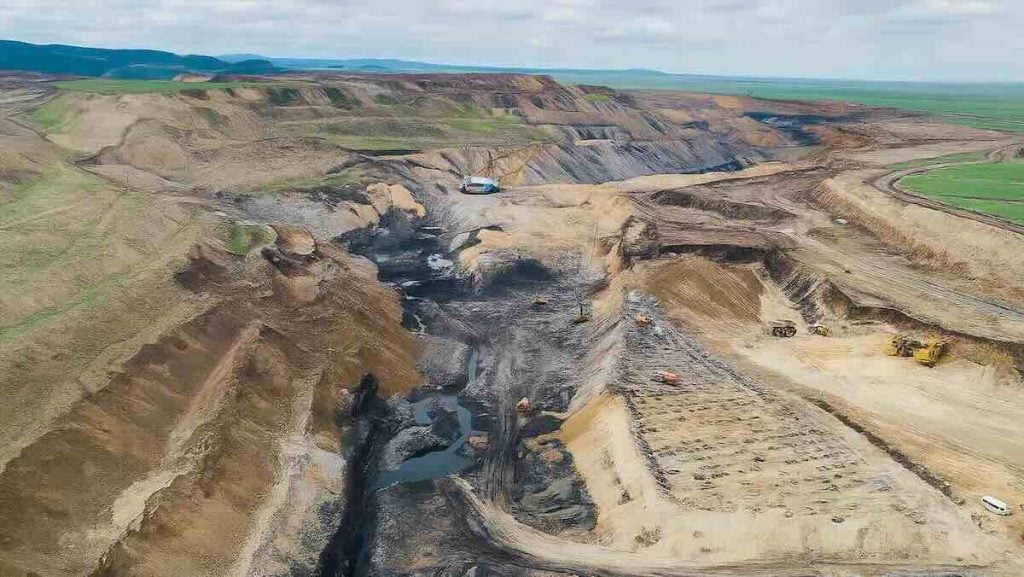
Thorium Reserve in Bayan Obo Signals a New Era for Nuclear Energy
A major find in Bayan Obo, Inner Mongolia, reveals a huge stash of thorium—about one million tons. If confirmed, this could help power China for tens of thousands of years and transform how the world thinks about nuclear energy.
What the discovery could mean
– The thorium reserve could be worth around $178 billion in market terms.
– Thorium isn’t fissile by itself, but can be turned into uranium-232 to drive a sustained chain reaction in specialized reactors.
– Experts suggest China may have identified more than 230 thorium-rich sites, hinting that total reserves could be even larger.
Why thorium is appealing for nuclear power
– Safety: Thorium reactors are often cited as having a cleaner safety profile than traditional uranium reactors. Some analyses indicate that the long-term waste might decay to lower toxicity levels within a few hundred years, compared with thousands of years for uranium-based waste.
– Efficiency: The thorium fuel cycle can be self-sustaining to some extent, as the neutrons produced during transmutation can help process more thorium, potentially increasing energy output over time.
– Long-term potential: A successful thorium program could provide a stable, low-carbon energy source for many generations.
Environmental and practical considerations
– Mining thorium poses environmental challenges, including air pollution and radiological risks near extraction sites. Safe mining practices and strong protections are essential as development progresses.
China’s energy strategy and future plans
– Alongside thorium, China has shown a strong commitment to green energy, including large solar projects. Their aim appears to blend renewables with next-generation nuclear options to build a more self-sufficient, coal-free energy system.
– China is advancing nuclear innovation, including fusion research, to diversify and future-proof its energy supply.
Thorium reactors and global impact
– If thorium technology becomes practical at scale, it could influence nuclear standards worldwide and open opportunities for export of thorium-based designs.
Coca-Cola shocks fans by bringing back iconic 1980s soda flavor
Beyond thorium, China is pursuing cutting-edge technologies like quantum computing and artificial intelligence, reinforcing its lead in global innovation.
Still, real-world deployment of thorium systems will require engineering breakthroughs, regulatory clarity, and careful environmental safeguards. The discovery marks a significant step toward a potentially safer, long-lasting nuclear energy option and a broader shift in how the world envisions powering the future.